Classic Shelf
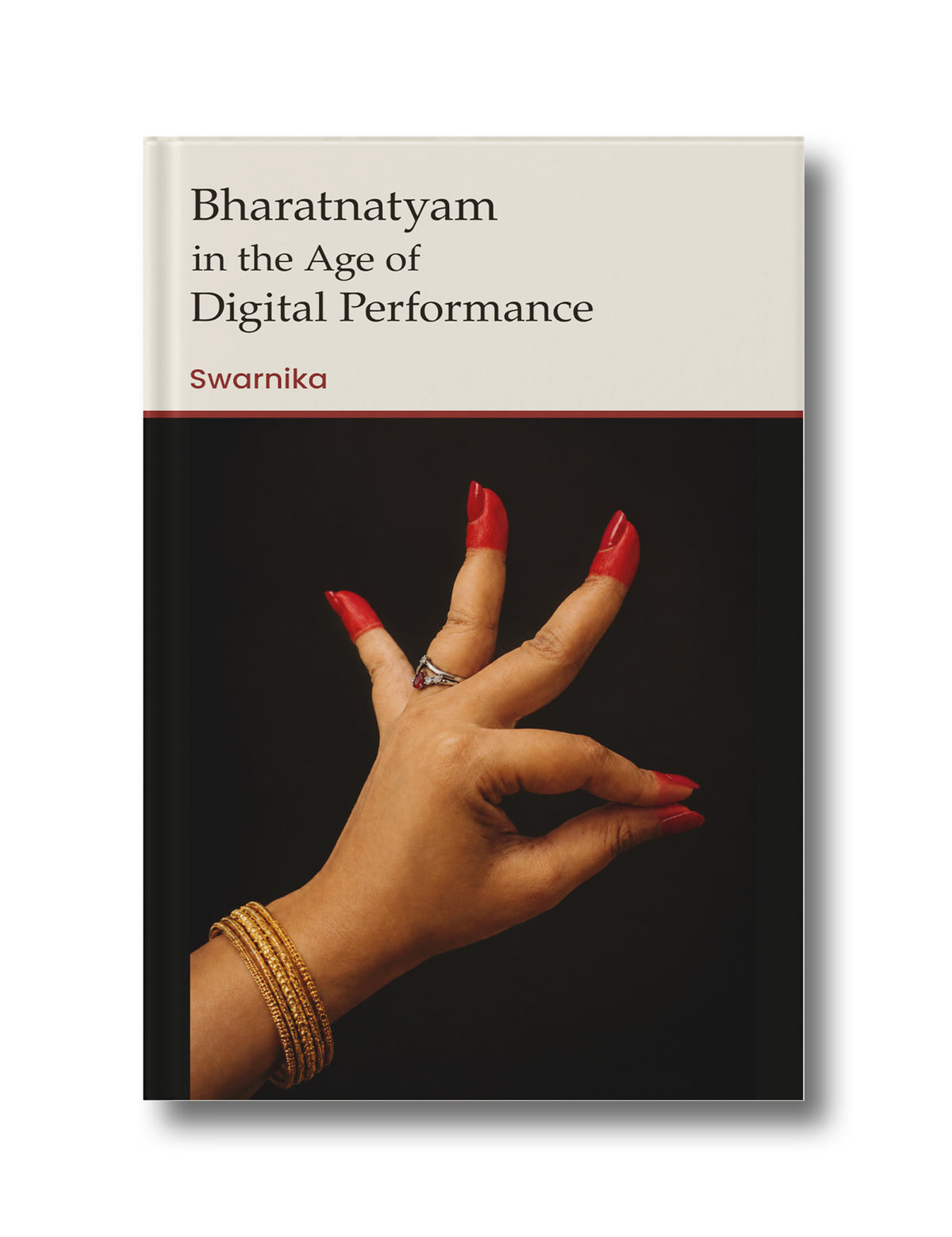
Bharatnatyam in the Age of Digital Performance
Bharatnatyam in the Age of Digital Performance
Couldn't load pickup availability
About The Book
This book explores what happens to Bharatnatyam when the dancing body moves beyond the traditional stage and enters cinema, recorded performance, and digital media. These new spaces do not simply display the dance form; they influence how it is framed, experienced, interpreted, and remembered. Drawing upon the aesthetic traditions of Natyashastra and Abhinaya Darpana, alongside the literary world of Silappatikaram, particularly “Arangetru Kathai,” the study begins with the understanding that the dancer’s body has never been without a framework. Gesture, movement, expression, costume, gaze, music, and the presence of the spectator have always shaped how Bharatnatyam communicates. The camera, therefore, does not mediate the dance for the first time. Instead, it introduces a new way of seeing a form that has always created meaning through the relationship between the performer, the performance space, and the audience.
Following Bharatnatyam from the stage to cinema and contemporary digital culture, the book examines how technology changes the experience of classical performance. In a live performance, spectators can choose where to direct their attention. The camera makes that decision for them. It selects, enlarges, cuts, rearranges, and sometimes fragments the dancing body. It may bring the spectator closer to a facial expression or a hand gesture, but it can also remove the movement from its larger choreographic and spatial context. The screen, in this sense, does more than preserve a performance. It creates a different version of it.
The discussion of Mayuri and Mee Raqsam brings attention to two significant encounters between Bharatnatyam and mediation. The book also considers selected moments from popular cinema, including the continuing cultural presence of the dance sequence in Bhool Bhulaiyaa. These examples reveal how classical dance continues to circulate through film scenes, remakes, short-form videos, recreations, and online discussions about authenticity. Once a performance enters popular and digital culture, it may be admired, altered, imitated, criticised, or removed from its original context. Yet each of these responses becomes part of the dance’s contemporary life.
The later sections turn towards recorded performances, digital archives, choreography created specifically for the screen, and the circulation of dance through social media. In these spaces, a performance can be paused, replayed, slowed down, divided into short clips, taught through tutorials, preserved in archives, or translated into forms of movement that technology can identify and reproduce. Such developments create new possibilities for learning, preservation, and access, but they also raise important questions. What is lost when a complete performance becomes a short, shareable clip? Who controls the meaning of a dance once it begins circulating online? Can digital access make classical dance more inclusive, or does it risk reducing the form to recognisable gestures and visual appeal?
The book does not present technology as either a danger to tradition or an uncomplicated means of making Bharatnatyam more accessible. Instead, it argues that the contemporary life of the dance develops through a continuing conversation between inherited practice and new forms of representation. The central question is no longer whether the screen can contain Bharatnatyam. It is how deeply the screen has entered the ways in which the dance is now performed, watched, taught, debated, remembered, and understood.
About The Author
Swarnika is an Assistant Professor in the Department of English at Zakir Husain Delhi College, University of Delhi. Her teaching and research interests include gender studies, detective fiction, film studies, popular literature, and the psychological dimensions of literary and cultural narratives. She is particularly interested in the ways literature and cinema engage with questions of identity, power, memory, and representation.
Alongside her academic work, she is involved in creative writing and content development, with a continuing interest in the role of language in shaping narratives. Her research frequently brings together literary analysis, interdisciplinary inquiry, and close textual reading to examine how stories acquire meaning across different cultural and artistic forms.
She is also a trained Bharatnatyam and Kathak dancer, and her experience of the two forms has deeply influenced her understanding of performance, expression, embodiment, and spectatorship. This connection between academic inquiry and lived artistic practice shapes her engagement with Bharatnatyam not simply as a classical dance tradition, but as a changing cultural language. Her present work explores how the form moves between the stage and the screen, and how cinema, digital media, and contemporary modes of circulation are transforming the ways in which Bharatnatyam is performed, viewed, remembered, and understood.
Share