Classic Shelf
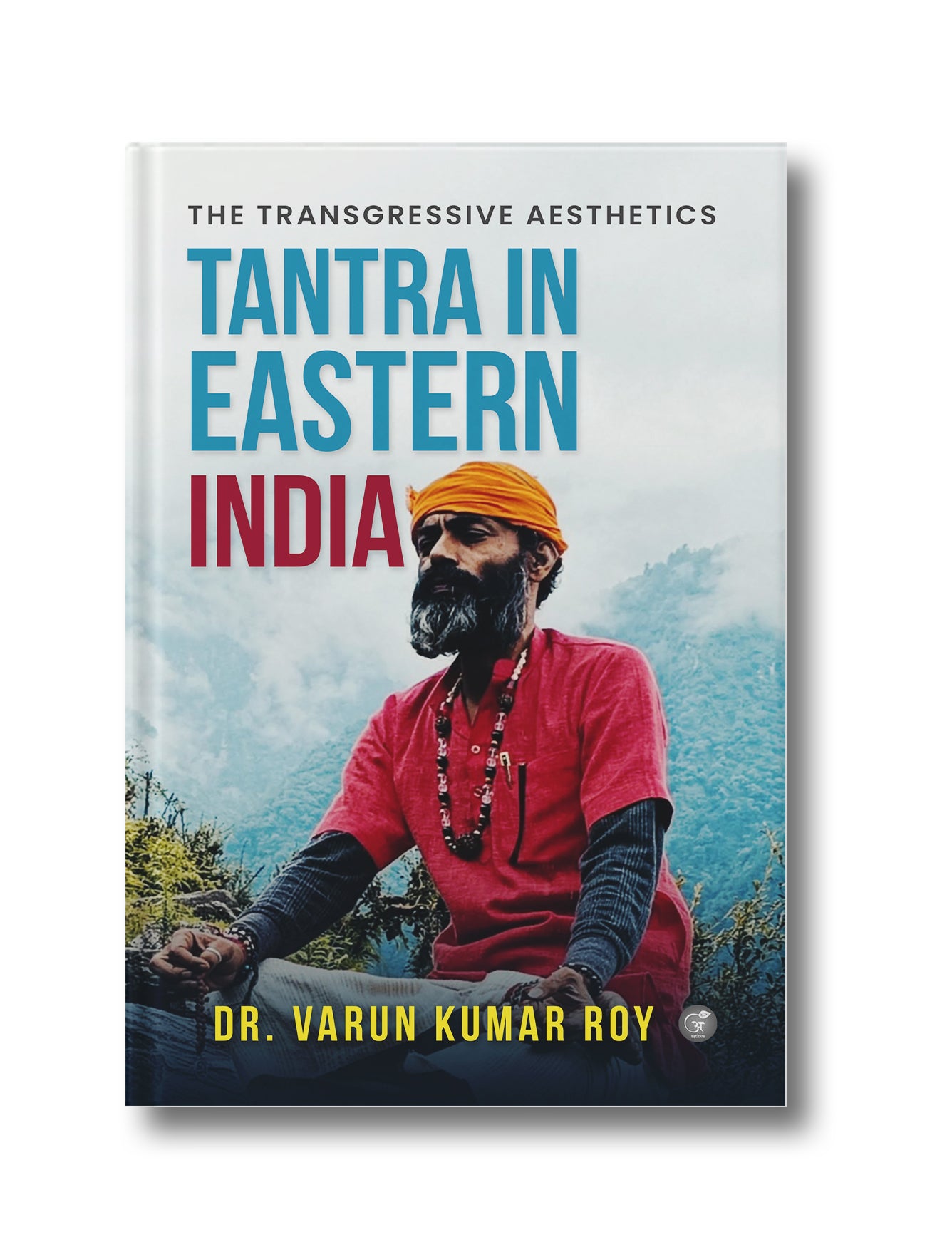
Tantra In Eastern India: The Transgressive Aesthetics
Tantra In Eastern India: The Transgressive Aesthetics
Couldn't load pickup availability
About The Book
This book provides a nuanced, multifaceted exploration of Tantra, challenging simplistic stereotypes and emphasizing its historical, cultural, and experiential diversity. It traces Tantra's evolution across regions, lineages, and periods, insisting that true understanding requires attention to specific socio-political contexts rather than monolithic definitions. The study positions Tantra as a dynamic tradition shaped by interactions with power structures, caste dynamics, and gender relations. It highlights how practices like ritual transgression, energy work, and goddess worship adapted to local environments, from elite textual lineages to vernacular cults. Central to the narrative is Tantra's rejection of body-spirit dualism, treating embodiment as a path to liberation through disciplined yoga, meditation, and rite. The book critiques overemphasis on sexuality in popular views, framing such elements within ethical, initiatory frameworks rather than isolated techniques.
Tantra emerges in dialogue with global esoteric currents. Parallels appear in Sufi energy refinement, Daoist alchemy, shamanic trance, and Christian mysticism—shared quests for inner transformation amid distinct cultural grammars. Yet South Asian specificities, like Śakti cosmology and pilgrimage networks, set Tantra apart, underscoring non-universalist readings. A rigorous gender analysis reveals tensions: Tantra elevates feminine power through goddesses and yoginīs, yet patriarchal controls often marginalized women practitioners. The book recovers silenced voices, critiques romanticized narratives, and advocates inclusive scholarship amplifying female agency alongside historical constraints. Scholarship grapples with Tantra's elusiveness—symbolic texts, fragmentary records, regional variants. Solutions include interdisciplinary methods: philology pairs with ethnography, digital archives aid vernacular sources, and practitioner collaboration ensures ethical depth. Ethical imperatives address appropriation risks in global markets. By synthesizing history, practice, and critique, the volume advances Tantra studies beyond Orientalist legacies. It calls for future work on underrepresented lineages, feminist rereading, and ecological applications, positioning Tantra as vital for probing human consciousness, power, and liberation.
About The Author
A seasoned historian, Dr Varun Kumar Roy is currently the Head of the Department of History, University of North Bengal. He is a dedicated historian and sits at the forefront of historical scholarship in North Bengal. His career is marked by a robust blend of leadership, scholarly editing, and rigorous research. He remains actively involved in mentoring emerging historians, enhancing departmental research, and steering academic publishing. He has till now authored 5 books and published more than 25 research articles in national and international journal.
Share